The Artistry Behind the house: Italian Leather Traditions Explained
Salvatore Ferragamo forged a reputation on the principle that footwear and leather goods should be methodically constructed, rather than simply put together. This guiding principle, which took root in Florence in 1927, still shapes how a ferragamo bag is tailored, assembled and polished in the present day. Understanding the brand’s underlying craftsmanship helps clarify why a salvatore ferragamo bag commands attention among enthusiasts and casual browsers alike. It also helps make sense of value and lasting quality and why certain pieces are regarded as the best ferragamo bags on the secondary and retail markets.
The choice of hide, the tanning process, sourcing of hardware and hand-finishing work all factor into what distinguishes an starter piece from a top-tier heritage piece. This article walks through each stage of that process, compares construction approaches across categories, and provides a clear-eyed summary of what to look for when browsing a ferragamo shop in 2026.
The Roots Behind Ferragamo’s Craft Ethos
Salvatore Ferragamo trained as a shoemaker in Bonito, Italy, before relocating to the United States and in time returning to Florence to establish his workshop. His foundational preoccupation was anatomical fit, which led him to study materials as painstakingly as craftsmanship technique. This same discipline migrated into leather goods once the house broadened past footwear in the mid-20th century.
Florence itself plays a key role. The city lies at the center of Tuscany’s tanning industry, an area with centuries of accumulated expertise in both vegetable and chrome tanning methods. Ferragamo draws much of its hide supply from tanneries within this region, which keeps transport time short and allows closer quality control between tannery and workshop. Being nearby isn’t just a promotional talking point; it’s a operational benefit that limits damage from transit and preserves hide consistency.
Such geographic clustering also clarifies why so many Italian luxury houses, including Ferragamo, keep their ateliers within a tight radius of Florence and its surrounding provinces. The infrastructure — tanneries, hardware foundries, skilled artisans — is all clustered together, and this proximity is one reason why “Italian leather” carries real technical weight rather than just marketing language.
How Ferragamo https://feragamoshop.com/hug-bags/ Leather Is Chosen and Processed
Not every hide qualifies for a finished bag. Tanneries grade skins for density, tightness of grain and surface flaws before they’re cleared for use. Ferragamo’s leather goods generally depend on premium calfskin in full- or top-grain form, along with exotic materials like python or crocodile skin for select limited runs, though what’s on offer changes by collection and season.
The tanning process takes one of two broad routes: vegetable tanning, which draws on tree bark and plant extracts and can require several weeks, or the chrome-tanning method, which is quicker and produces a softer, more pliable outcome.
Once tanning is complete, hides undergo dyeing, buffing and sometimes embossing before they even arrive at a cutting table. Whatever inconsistency at this stage — an uneven dye lot, a hide that’s insufficiently thick at the shoulder — gets the skin rejected. This is one reason production quantities for certain bag lines are kept limited; the raw material simply doesn’t always meet the bar.
The Way a Ferragamo Bag Is Shaped by Craft Techniques
The cutting process, once the leather has been approved and arrives in the workshop, is carried out with close attention to the hide’s natural grain direction — panels cut against the grain stretch and age unevenly compared with those cut along it. Skilled cutters map each pattern piece to sidestep scars, stretch marks or thin zones near the hide’s edges.
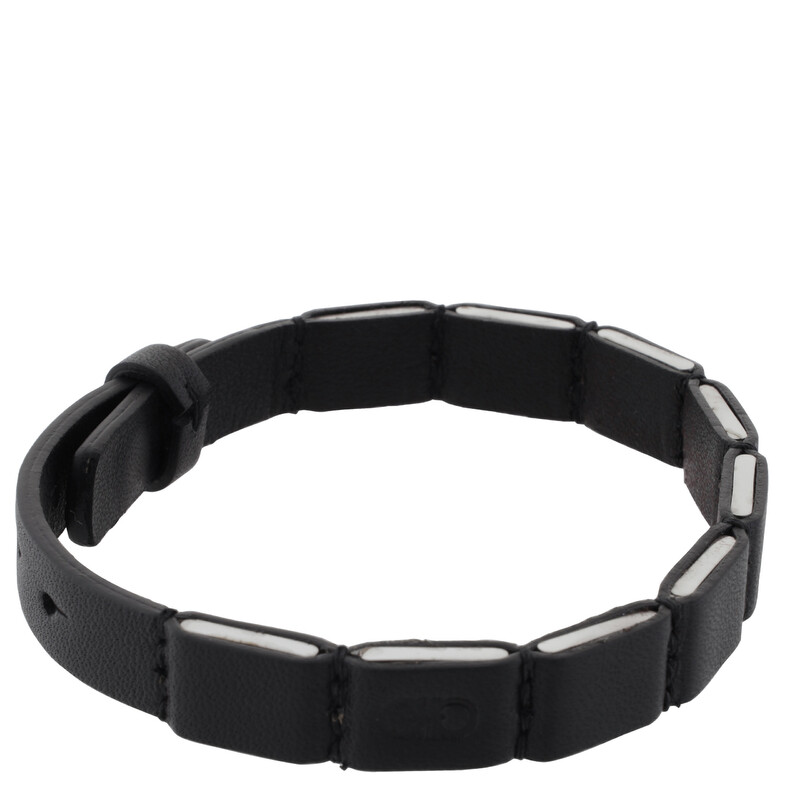
On a ferragamo bag, the main seams are usually machine-stitched, while edges, handles and closures receive hand-finishing. Edge painting — laying on multiple thin coats of lacquer to a leather edge and burnishing between coats — is a detail worth checking closely, since a clean, glossy edge with no cracking tends to indicate careful finishing standards.
Metal fittings is another differentiator. Zippers, clasps and the brand’s signature Gancini hardware are usually produced in brass or zinc alloy, then plated in gold-tone or palladium finishes. Plating quality determines how well hardware resists tarnishing over years of use, and it’s often the first thing that distinguishes a carefully kept bag from one that looks worn too soon.
Just as much as external appearance, interior construction matters. Reinforced corners, firm bases and canvas or leather lining all play a part in how a bag holds its shape after months of everyday wear. A well-built ferragamo bag should keep its silhouette even when only partly loaded, which is a practical way to assess structural quality in person.
Contrasting Ferragamo Bag Categories
Several structural categories make up Ferragamo’s leather goods, each suited to distinct use cases and price points. The table below presents a general comparison to help set expectations when shopping a ferragamo shop, whether online or in a physical store.
| Bag Type | Common Leather | Build | Ideal Use Case |
|---|---|---|---|
| Handle-top bags | Plant-tanned calfskin | Sturdy, boxy shape | Dressy events and office settings |
| Bags worn on the shoulder | Calfskin tanned with chrome | A loose, supple fall | Daily errands, laid-back outings |
| Bags worn crossbody | A blend of tanning methods, frequently finished with canvas trim | Small, semi-structured | Trips, no-hands days |
| Clutches and evening bags | Embossed or exotic leathers | Little internal framework | Events, evening wear |
This breakdown isn’t exhaustive, but it gives a working framework. Anyone compiling their own ferragamo bags overview should start by asking how a bag will actually be used before comparing leather type or hardware finish, since fit-for-purpose matters more than category prestige.
The Defining Qualities of the Most Coveted Ferragamo Bags
Among collectors and long-time shoppers, a consensus tends to form around which pieces qualify as the best ferragamo bags — and it usually comes down to a combination of construction quality, hardware durability and design longevity rather than trend cycles. Bags built on the house’s classic Gancini hardware tend to hold resale value better than seasonal designs tied to a single collection.
Stitch density is a down-to-earth signal worth learning to spot. Tighter, more even stitching around stress points — where the handles attach, zipper seams, corner joins — suggests a bag designed to last for years as opposed to lasting only one season. Loose or uneven stitching, even on an otherwise attractive bag, is usually a sign of damage sooner than expected right where the tension is greatest.
Leather thickness also factors in, most notably on structured styles. The kind of top ferragamo bags list most style editors compile will usually prioritize designs built with denser, full-grain leather over slimmer corrected-grain counterparts, since the correlation between thickness and resistance to creasing and sagging over time is direct.
At the end of the day, what separates a carefully assembled piece from one built with mismatched leftover leather is consistency across a single bag’s panels — matching grain texture and a uniform dye batch. This is a detail worth examining under strong, direct light before finalizing any purchase, whether new or pre-owned.
Tips for Savvy Shopping within the Salvatore Ferragamo World
Whether searching under salvatore bag, ferregamo, or the full salvatore ferragamo bags range, misspellings shouldn’t take attention away from the essential points discussed above: leather grade, tanning method, hardware quality as well as how consistent the stitching is. These four factors matter more than seasonal trends when evaluating long-term value.
Buying through an authorized ferragamo shop or the brand’s official channels remains the safest way to guarantee authenticity and post-purchase support, including repairs and hardware servicing. Secondary markets can offer value, but verifying leather type, stitching and hardware plating in person or through detailed photos is essential before committing to a purchase.
Type, material, and limited-edition standing can shift cost brackets considerably, which is why it’s a good idea to compare multiple listings within the same style rather than assuming cost alone reflects quality alone.
The leather itself can carry no more weight than a well-documented provenance — receipt, dust bag and authenticity card — at resale time.
A bag’s life can be stretched out by a good margin through care routines.
Regularly conditioning the leather, keeping it out of prolonged sun, and storing bags upright inside their dust bags all go a long way toward preserving both shape and the finish of the leather.
A well-maintained piece, whatever its category, will usually hold up better than a neglected piece of greater original quality.
Fundamentally, the craftsmanship behind Ferragamo’s leather goods embodies decades of honed technique rooted in Florence’s leather-tanning tradition.
Ranging from how the hide is picked to how the edges are finished, knowing what to look for makes a simple purchase into an informed one, so it’s easier to identify truly well-crafted pieces whether you’re comparing options across a ferragamo shop or evaluating something already in your collection.
